Study on market transformation in Nigeria for PIDG
This study is the first in a series of five market transformation studies conducted by Steward Redqueen for the Private Infrastructure Development Group (PIDG), an infrastructure development and finance organisation funded by six governments: the UK, the Netherlands, Switzerland, Australia, Sweden and Canada. PIDG uses public development finance to support infrastructure projects and mobilise additional private investment in emerging markets and developing economies.
This study examines PIDG’s role in market transformation in Nigeria across three areas: financing for infrastructure, value addition in the petrochemicals sector, and the wider manufacturing sector.
The study focused on three sectors with strong PIDG involvemnt and finds that transformation has been strongest in infrastructure financing, while progress in the real economy has been more uneven and constrained by wider structural barriers.
- Infrastructure financing: The clearest evidence of market transformation is in the development of local-currency infrastructure financing through InfraCredit. PIDG supported the establishment of InfraCredit, whose guarantees have helped unlock domestic capital, extend financing tenors and support the development of a regulatory framework for credit enhancement. The market nevertheless remains relatively thin and dependent on a single guarantor.
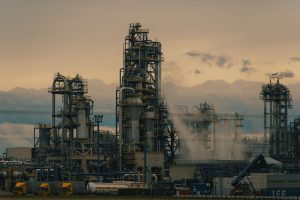
- Petrochemicals: Nigeria has shifted from being a fertiliser importer to a major producer and exporter, supported by the transformation of Eleme Petrochemicals and the development of large-scale urea production by Indorama. PIDG, through EAAIF, played a supportive role by providing patient and flexible financing, although wider replication and downstream benefits remain constrained.
- Manufacturing: Transformation has been more limited across the broader manufacturing sector. Firm-level successes have not yet translated into sector-wide change, with macroeconomic volatility, high financing costs, dependence on imported inputs and other structural bottlenecks continuing to constrain investment and growth.